As of the end of 2025, there were approximately 1,600‑1,800 tertiary‑A hospitals across China, accounting for less than 5% of the country’s total hospitals. Yet they handle over 40% of national outpatient and inpatient visits and nearly 40% of all hospital discharges. Jiangxi Province has 76 tertiary‑A hospitals, 21 of which are located in Nanchang — accounting for nearly 30% of the provincial total, including Jiangxi Provincial Cancer Hospital.
Imbalanced supply‑demand dynamics and uneven distribution of medical resources drive patients to converge on large‑scale hospitals. This places excessive workload pressure on healthcare staff, erodes patients’ medical‑care experience, and breeds patient dissatisfaction. According to 2025 data released by the National Health Commission, the annual number of complaints against medical institutions nationwide has nearly tripled compared with a decade ago. Conflicts are heavily concentrated in oncology, critical‑care and other departments. While delivering clinical treatment, medical staff also face the challenge of addressing the psychological needs of patients and their families, as well as alleviating anxiety, fear and other emotional distress among patients and caregivers.

HUMAN CENTRIC

-
Centering on the core needs of patients and their families, personalized care services shall be offered to accommodate patients across disease severity, social‑economic strata and age brackets..
-
Add full‑time positions such as social workers and psychotherapists to build a humanistic‑care system featuring “medical staff + social workers + volunteers”.
-
Integrate humanistic care, communication skills and psychological knowledge into regular training for healthcare professionals.
Recommendations


OUR sTORIES
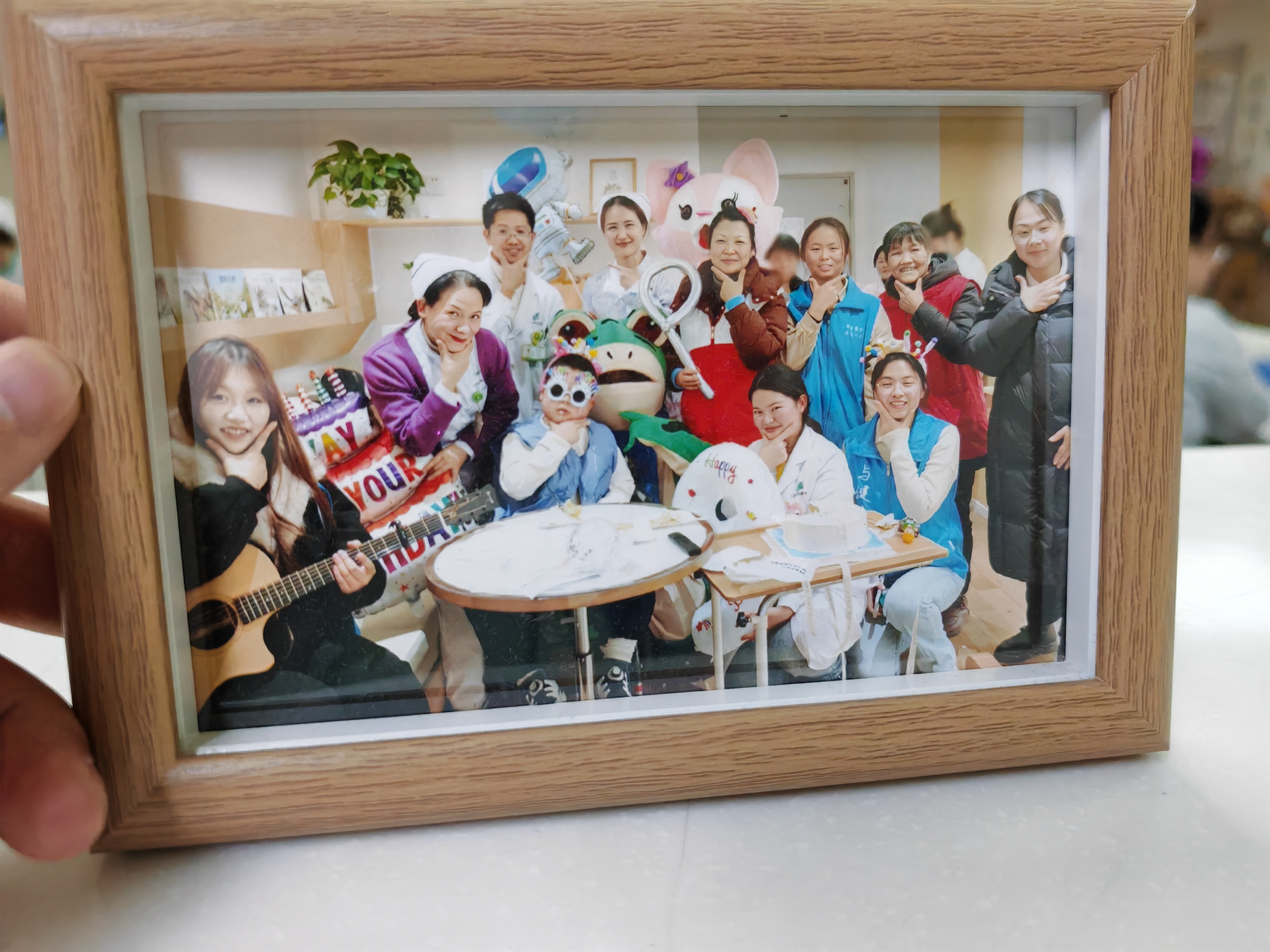
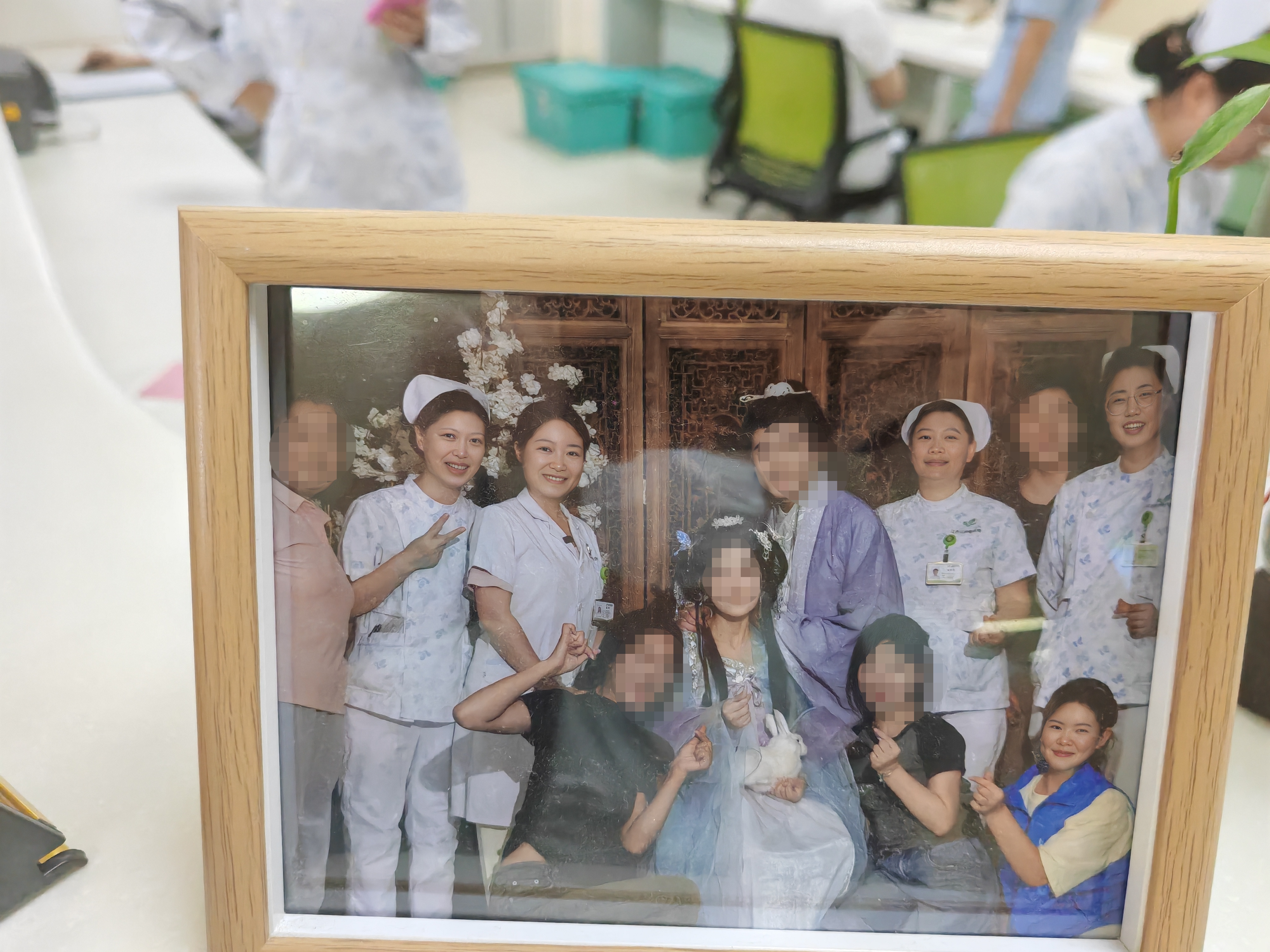
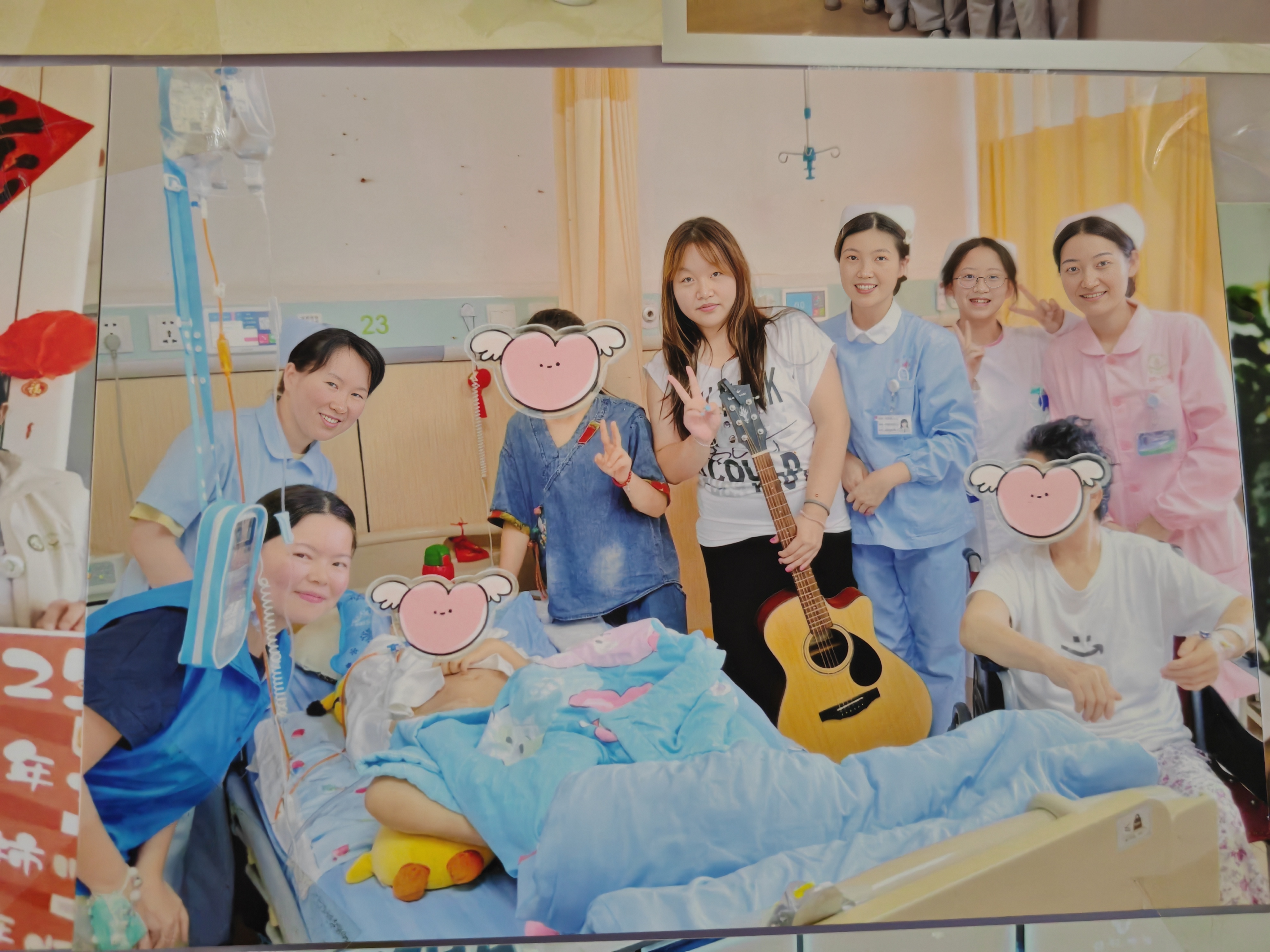
Read the 8 stories of medical staffs and hospice care.While delivering standard anti‑tumour therapies, hospital medical staff provide psychological support and emotional relief, acknowledging fear, uncertainty and frustration brought by scans, infusions and treatment setbacks. This person‑centered care also extends to palliative and hospice services for end‑of‑life patients. They attend to both patients and family caregivers, addressing physical symptoms as well as inner feelings and human dignity at every stage of illness.