Driven by population ageing in China, the total number of cancer patients keeps rising. In 2025, there were approximately 5.25 million new cancer cases in China, with around 12.8 million people living with cancer. Large numbers of advanced‑stage patients are repeatedly admitted for targeted therapy and chemotherapy, creating substantial pressure on inpatient healthcare services.
Jiangxi Provincial Cancer Hospital is Jiangxi’s only provincial‑level Grade‑A tertiary cancer‑specialized hospital, recording roughly 48 000 hospital admissions and discharges each year. The vast majority of patients (65‑75%) come from ordinary working‑class households across cities, counties and rural areas within the province, including low‑to‑middle‑income wage labourers, farmers and small‑scale self‑employed individuals. Urban‑rural medical insurance covers only about 60% of medical costs. While families can afford basic chemotherapy, new targeted and immunotherapy drugs impose severe financial burdens.
Full‑time family caregiving is a traditional mode in China. Long‑term care requires renting accommodation and preparing meals. Patients and their families seeking medical treatment away from home face numerous challenges…

WARD BOUNDARIES

-
Deliver brief social‑worker‑led interviews and mutual‑aid group sessions, enabling out‑of‑town caregivers to share feelings and foster organic social connections among patient families. Recruit recovered patients and experienced family caregivers as volunteers. Experience‑sharing from people with similar lived experiences is better received than didactic advice from medical professionals.
-
Avoid clichéd encouragement such as “stay strong”. Validate genuine emotions including fear, helplessness and despair. Special attention should be given to families of stage‑IV or relapsed patients to help them adapt to uncertainty. Fully communicate options for palliative and hospice care to break the misconception that opting out of aggressive treatment equals lack of filial piety. Practical dietary guidance shall also be offered for issues such as poor appetite after chemotherapy.
-
Most family caregivers from low‑to‑middle‑income households rent low‑cost small hotels nearby. Governments and hospitals could provide affordable hostel‑style accommodation to meet caregivers’ basic living needs.
Recommendations


It's Better To Find It Early


OUR sTORIES
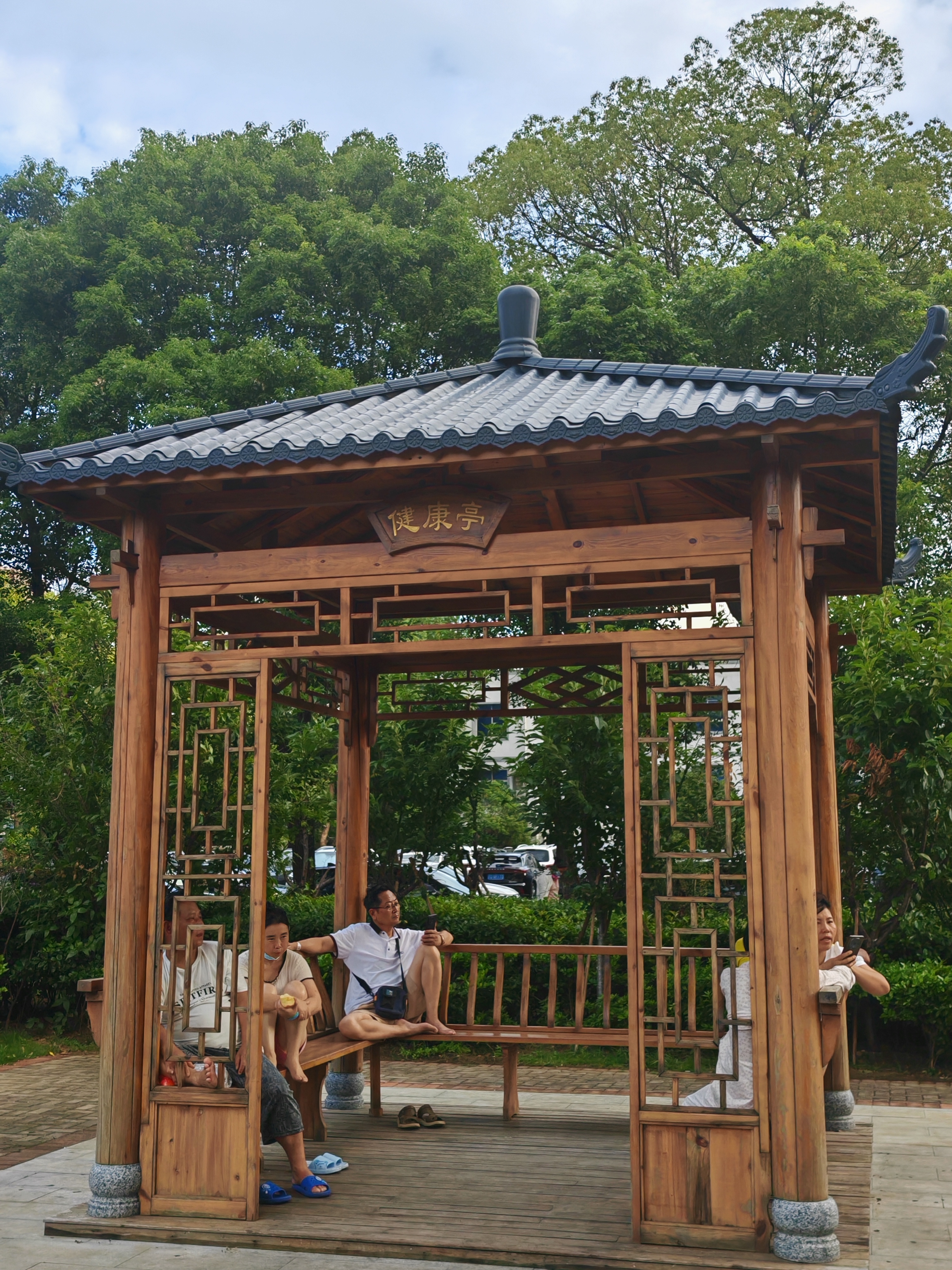
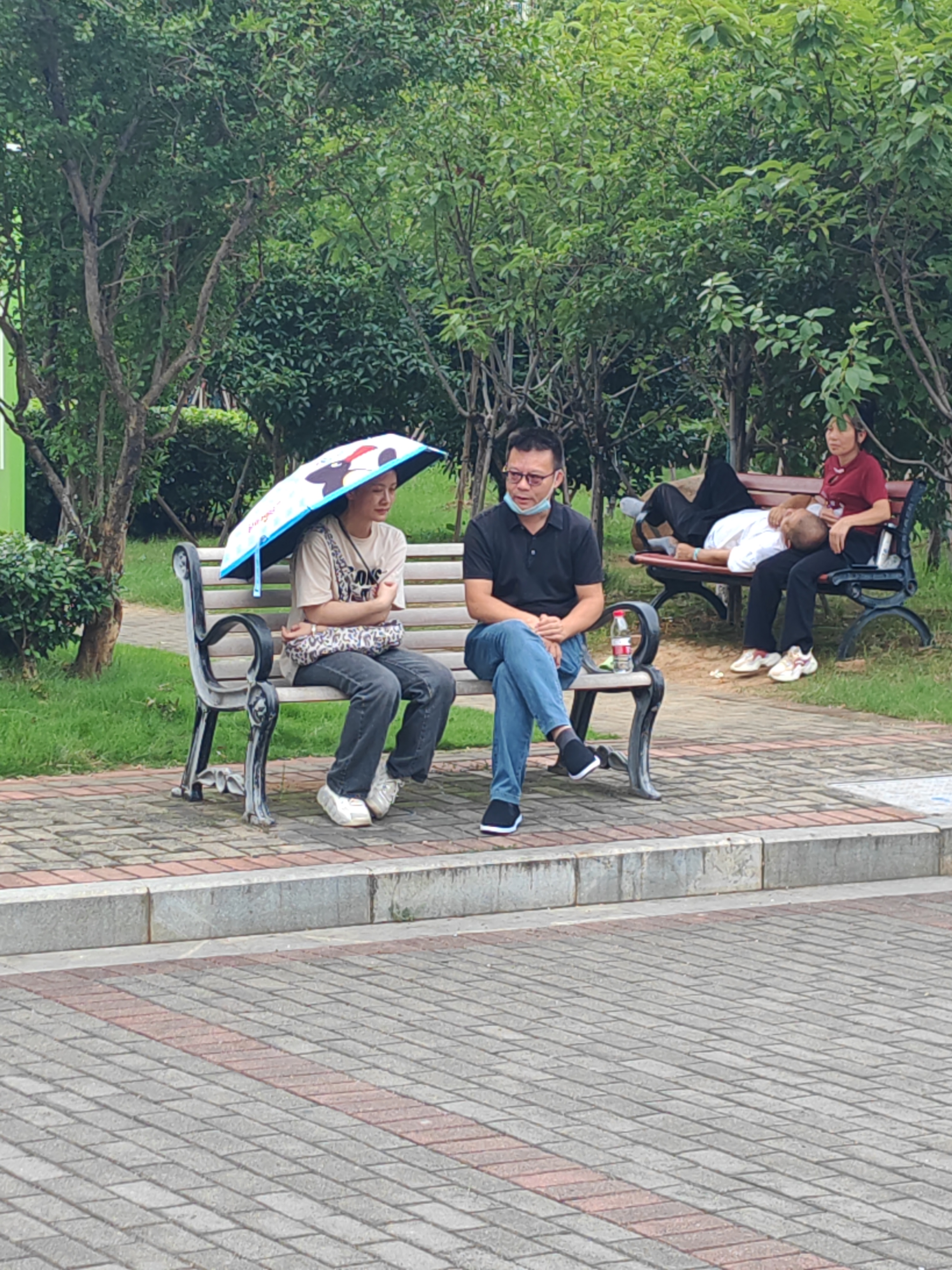
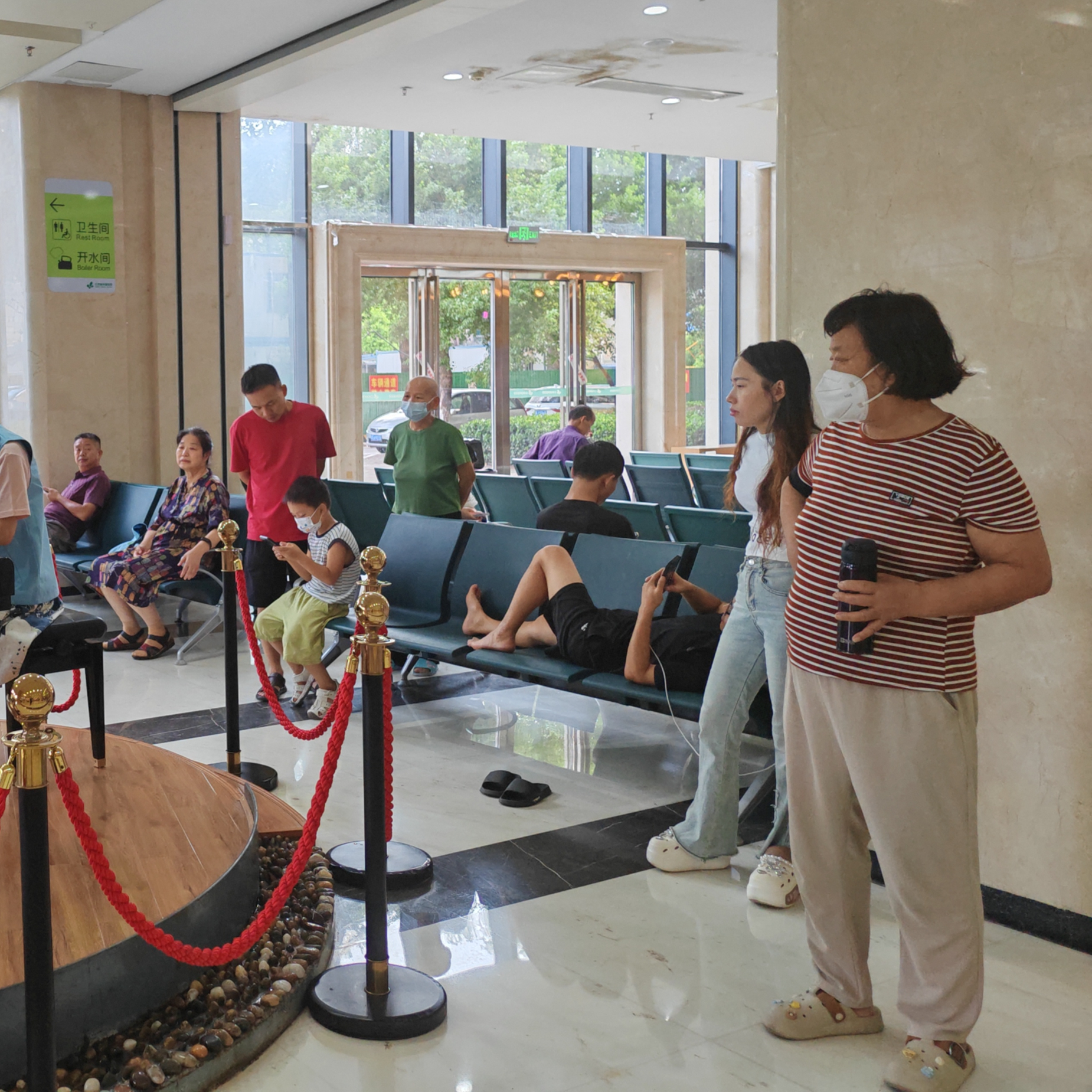
Read the 14 stories of patients and their family caregivers.Many out‑of‑town cancer patients travel here for surgery and other forms of treatment, accompanied by exhausted family caregivers. Both patients and their loved‑ones bear heavy psychological strain while grappling with difficult medical decisions. Beyond clinical care, they crave outlets to ease their tension: home‑style meals, casual conversations, and quiet spots where they can step away from the oppressive atmosphere of hospital wards.